Grab these five records and work through them one at a time. Each one targets a different improv skill you can test on your instrument right away.
Read More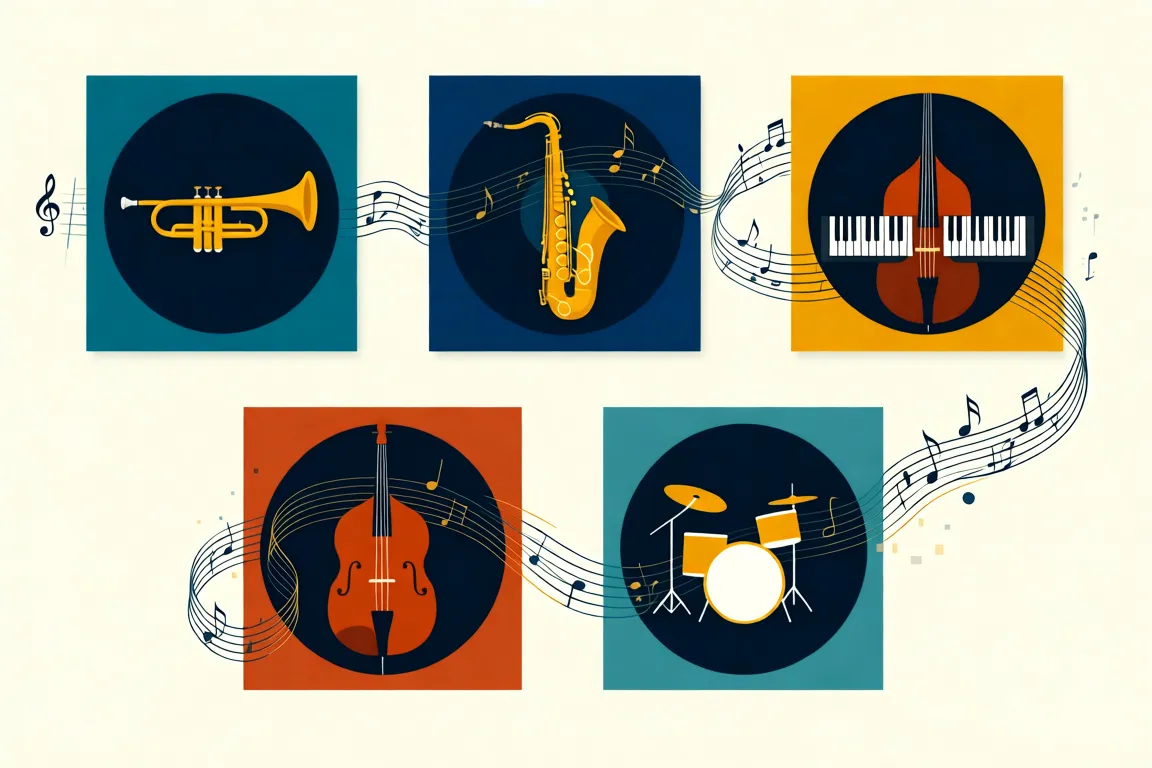
Grab these five records and work through them one at a time. Each one targets a different improv skill you can test on your instrument right away.
Read More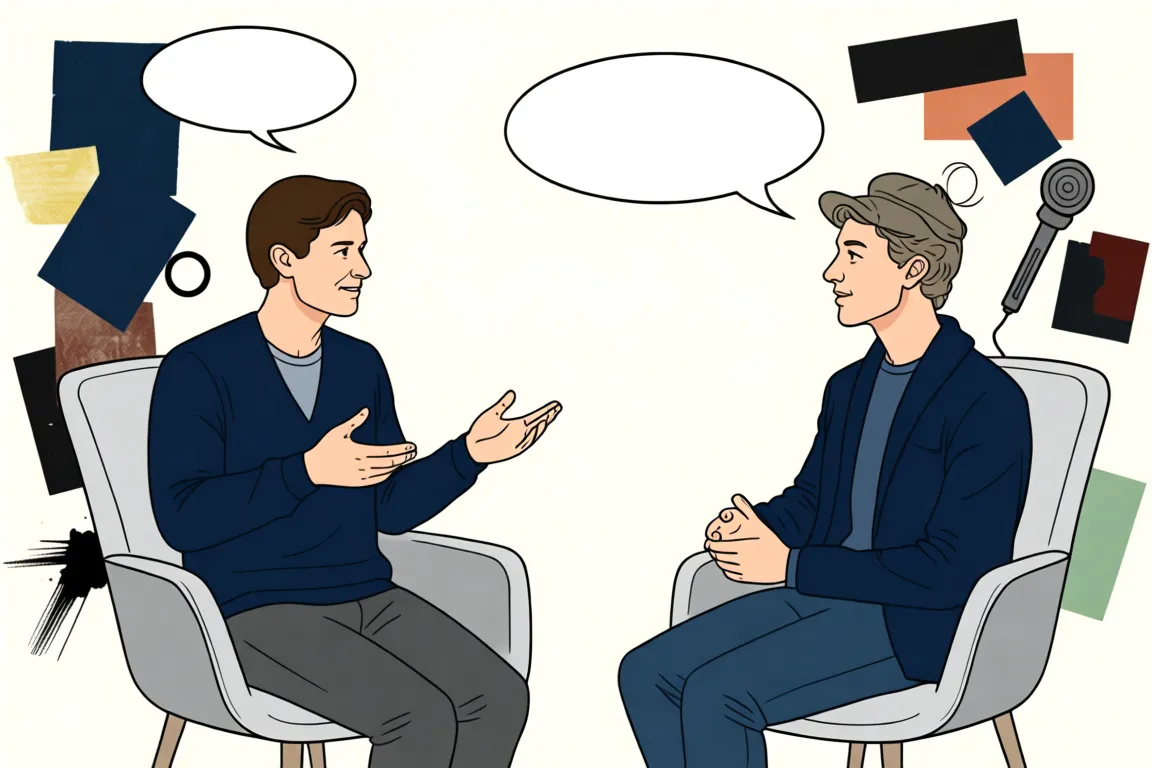
Start with their latest project. Ask what changed in their studio practice since the last show. That single question usually opens the real story faster th
Read More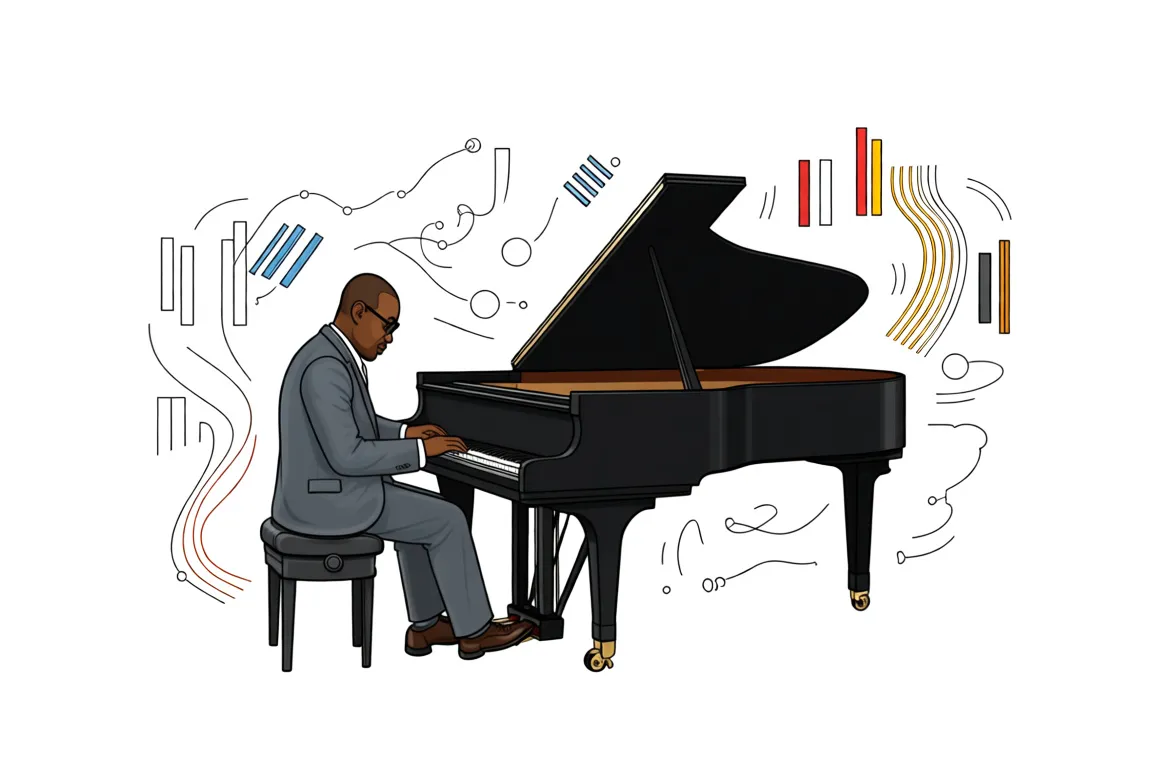
The piano lets you shape melody, harmony, and rhythm at once. That single fact explains why players from Thelonious Monk to Brad Mehldau keep finding new w
Read More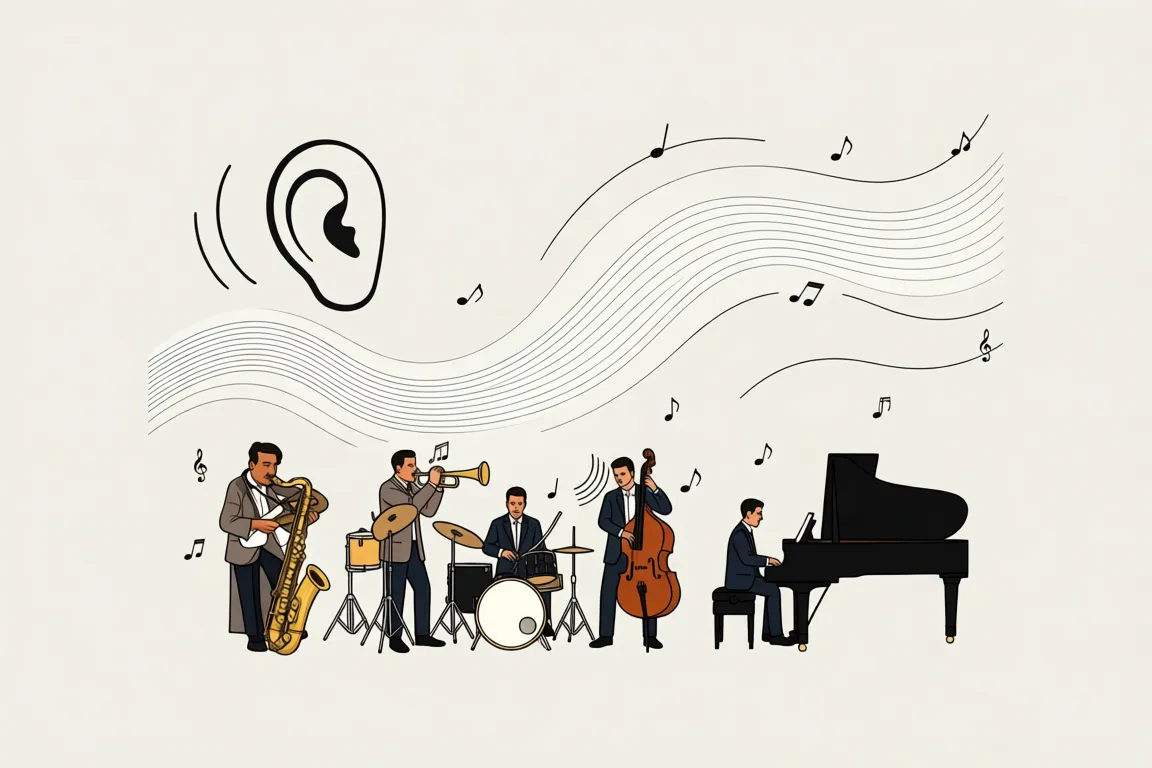
You can start hearing what happens in a jazz solo without knowing every chord. Pick a short recording and focus on one thing at a time.
Read More
Pick a tune you know, grab your instrument, and follow these three stages. The goal is to make each chorus feel like one clear story rather than random not
Read More
Microtonality in jazz shows up when players bend notes or land intervals smaller than a half step. You hear it most clearly in solos that feel a little uns
Read More
Jazz brings people together because players and listeners respond to each other on the spot. You step into a room, hear the first notes, and soon find your
Read More
You walk into a club and see a guitarist trigger a clean bass loop, then layer muted comping before the first chorus even starts. That setup relies on a si
Read More
Modal jazz builds solos around scales instead of rapid chord changes. You stay inside one or two modes for longer stretches, which opens space for melody a
Read More
Silence gives jazz its shape. You hear the notes more clearly when some moments stay empty. Most players fill too much at first. Cutting back on notes chan
Read More